Marine Conservation Philippines is a non-profit based in the Visayas region of the Philippines. Our underwater world is under tremendous pressure – too much garbage and litter, especially plastic is being thrown in, and too many fish are being fished out. Only 0.1 percent of the seas are covered by coral reefs, yet these fragile reefs are home to an astounding 25% of all marine species. The Philippines is in the middle of the Coral Triangle, and with a landmass of 7,000 islands, it has a unique topography with a collective stretch of shoreline longer than any other nation in the World. This means that the Philippines is home to more coastal reefs than anywhere else in the world, making it the frontline of the fight for preservation of fragile marine habitats.
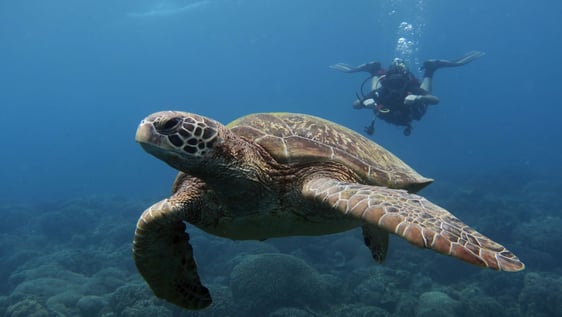
We dare to dream of a future and a sea where our kids and their kids can still marvel at grazing sea turtles and sharks, and where coastal communities enjoy adequate fish stocks for future generations. We invite you to dream that dream with us.
MCP is a Filipino-based NGO working to preserve fragile marine habitats, such as coral reefs and mangrove forests, and to improve the quality of life for marginalised fisherfolk in the central
Philippines. MCP is a volunteer-based organisation where international volunteers can
join a large professional team of marine biologists, scientists, teachers, and dive instructors to help tackle the myriad problems and issues facing the Oceans today.
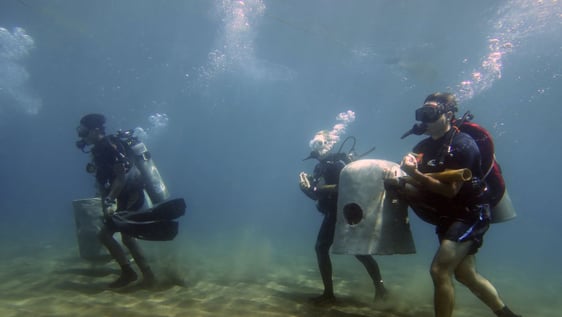
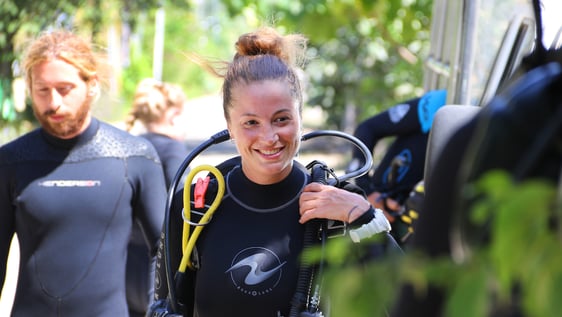
Participation in the program involves extensive scuba diving activities. Volunteers do not need to be qualified divers before starting - they can learn as part of the program.
In a travel market saturated by green-washed volunteer programs made by for-profit companies,
this program is the real McCoy. MCP is a registered non-profit working under the auspices of the
local government, and in collaboration with the Bureau of Fisheries and Aquatic Resources, the
Department of Natural Resources and a number of European universities. Besides volunteer fees,
MCP is financially supported by the Rufford Foundation and other international trusts and charities, and it provides consultancy and aid to local municipalities in coastal resource management. The staff-to-volunteer ratio is 1:1 or better, and the work of the volunteers makes an actual difference!
As a volunteer-based organisation, we depend on volunteers both to keep operational and to conduct the work at land and at sea. Some volunteers have a background in biology, and many are already scuba divers. Neither is required, however, and non-divers can learn scuba diving through the PADI Open Water and Advanced Open Water courses before starting the in-water work. What we do need from everyone, besides, obviously, the desire to help preserve some critically endangered environments, is the understanding that you do so at the expense of some creature comforts. We expect everyone to understand that volunteering with us is no resort stay or a five-star holiday. Volunteering is for people who like getting their hands dirty – no one is here to make other people's beds or clean their rooms, there are very long days in the water, and it might be your turn to lend a hand in the kitchen or water plants in the mangrove nursery. We all bunk in together, and it really is a bit like camping out. Campfires and storytelling included.
Our operational area currently spans about 60 kilometres of coastline on the island of Negros Oriental, some of it encompassing some incredible dive sites such as the reefs of Dauin, and right across from our base lies the world-famous and stunning Apo Island.
Besides the work actually making a difference, volunteering with MCP also ticks all the happy
boxes! It is bonfires and marshmallows, it’s diving with sea turtles, it’s meeting new friends from all
over the world, it’s learning stuff about reef biology that will blow your mind, it’s learning how to
dive, it’s meeting the locals, it’s petting a goat, and naming the gecko in the room. It’s seeing rare
and endangered wildlife. It’s discovery, adventure and camaraderie. It’s getting sparkling white smiles from local kids and toothless grins from their grandmothers. It’s all of this and more.



 5,0
5,0