🐘 About This Program
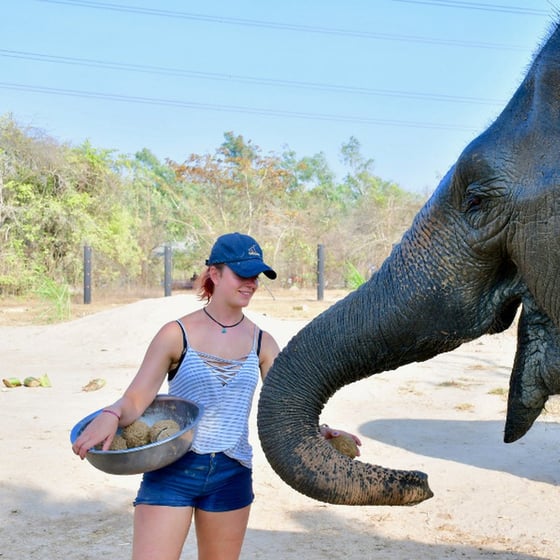
The Elephant Refuge currently cares for over 20 Asian elephants. Most were rescued from trekking camps and other tourism settings where they had been used to entertain visitors.
Volunteers support the elephants through essential daily care, including:
-
Preparing and providing food
-
Cleaning enclosures and washing pools
-
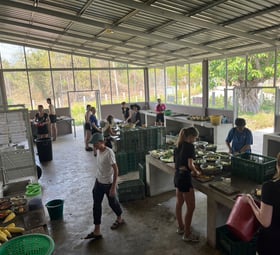
Harvesting grasses, banana trees and other plant material
-
Creating enrichment activities
-
Maintaining the elephants’ habitats
There may be opportunities for supervised, ethical interaction with some of the elephants during approved activities such as feeding, enrichment and washing.
The program does not offer elephant riding or swimming. Outside supervised activities, volunteers are expected to give the elephants space to enjoy their retirement peacefully.
💚 Why Choose This Program?
The rescued elephants live close to their natural environment, surrounded by forests, lakes and grazing areas.
The largest elephant enclosure covers approximately 20 hectares, providing space for elephants to roam, forage and socialize with one another.
The refuge operates as Asia’s first chain-free elephant sanctuary. No elephant is chained during the day or night.
Asian elephants have historically been used within Thailand’s logging and tourism industries. Many captive elephants were bred in captivity or taken from the wild before being trained for demanding work or tourist entertainment.
After commercial logging was banned, many working elephants were moved into tourism or used for street begging in large cities.
Walking for long periods on busy, polluted streets is unnatural and harmful to an elephant’s health. Elephants used for street begging are also at risk of traffic accidents, endangering both the elephant and their mahout.
Volunteer support is essential to the refuge. The program provides rescued elephants with a safe place to retire and receive the care and respect they deserve.
During your placement, you will help by:
-
Feeding the elephants
-
Creating enrichment activities
-
Cleaning and maintaining their habitats
-
Harvesting and preparing food
-
Supporting their daily care routines
You will also learn about the challenges facing Asian elephants in Thailand and how responsible animal welfare and tourism choices can help protect them.
✅ What Is Included?
Your program fees include:
-
Accommodation
-
On-site support staff and Volunteer Coordinators
-
Shared Sunday airport collection
-
Three meals per day
-
Clean drinking water
-
Wi-Fi access
-
Welcome orientation and site tour
-
A contribution towards the elephants’ food, care and habitats
Please see the 'What's Included' section below for more detailed information about accommodation, meals and airport collection.
🏡 How Do I Get to the Placement?
You will stay on-site at the main volunteer camp within the Elephant Refuge.
The accommodation is surrounded by lush greenery, natural scenery and countryside views.
When you arrive, you will receive:
-
A welcome orientation
-
A tour of the center
-
An introduction to your daily schedule
-
Guidance about your responsibilities
-
Important health and safety information
🌿 What Will I Be Doing?
Volunteers support the elephants through practical daily care, food preparation, enrichment and habitat maintenance.
Your activities may include:
-
Feeding the elephants
-
Cleaning their enclosures
-
Cleaning and maintaining washing pools
-
Accompanying elephants to forest areas where they can forage naturally
-
Helping with supervised elephant washing
-
Creating enrichment activities
-
Harvesting banana trees, grasses and other plant material
-
Maintaining enclosures and surrounding areas
-
Planting grasses and trees
-
Assisting with other areas of the center when required
You will also learn about the challenges facing Asian elephants in Thailand and the importance of responsible elephant care and wildlife conservation.
The working day normally begins at approximately 6:30am and finishes at around 5:00pm.
Several breaks are provided throughout the day for:
-
Breakfast
-
Lunch
-
Drinking water
-
Rest
-
Toilet breaks
Volunteers normally work six days per week, with one scheduled day off.
The work can be physically demanding and may involve hot weather, lifting, cleaning and spending extended periods outdoors. However, your contribution supports the elephants’ essential daily care and the ongoing development of their habitats.
Each day, Volunteer Coordinators assign volunteers to working groups. You will work alongside experienced team leaders who provide guidance throughout the day.
Everyone has different abilities, strengths and working speeds. Volunteers are expected to remain patient and respectful towards other members of the team.
Please speak with a Volunteer Coordinator if you feel you have been assigned too much or too little work. There are different tasks available to suit a range of abilities.
Volunteers may also be asked to help with additional duties that support the running of the volunteer camp.
This may include Doggie Duty, which involves helping to:
-
Bathe resident dogs
-
Prepare their food
-
Feed them
-
Walk them
-
Support their general care
Volunteer Coordinators will be available to answer questions and monitor working groups throughout the day.
Volunteer support is important for both the elephants’ daily care and larger ongoing projects around the refuge.
🌍 Who Will I Be Working With?
You will work alongside:
-
Local mahouts and elephant carers
-
Volunteer Coordinators
-
Experienced volunteer team leaders
-
International volunteers from around the world
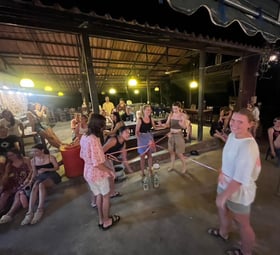
You will also live alongside volunteers supporting the wildlife rescue and veterinary programs, creating a friendly and sociable experience outside working hours.
🎒 What Should I Bring?
We recommend bringing:
-
Lightweight work clothes that you do not mind sweating in or getting dirty
-
Comfortable shorts and T-shirts
-
Long-sleeved tops and trousers for protection from mosquitoes
-
A sunhat, cap or bandana
-
A torch or flashlight
-
An alarm clock
-
A suitable power adapter
-
Your own towels
-
Comfortable shoes or sandals that can get wet
-
Lightweight waterproof clothing or a poncho
-
An unlocked mobile phone if you plan to purchase a Thai SIM card
-
A simple personal first-aid kit
-
Plasters, bandages and antiseptic
-
Medication for common stomach problems
-
High-factor sunscreen
-
Sunglasses
Working gloves are recommended when harvesting food for the elephants and are essential when assisting with composting.
Your feet may get wet throughout the year due to the nature of some tasks, so practical footwear is important.
🤝 What Can You Expect From Us?
Volunteer Coordinators are available to help whenever you require assistance.
They can support you with:
-
Scheduling questions
-
Animal-related concerns
-
Illness
-
Personal difficulties
-
Emergencies at home
-
General support throughout your stay
The coordinators can be busy, but they operate an open-door policy. Volunteers are encouraged to speak with them whenever guidance or support is needed.
A volunteer meeting is normally held each week to:
-
Provide updates about the elephants and other animals
-
Discuss issues from the previous week
-
Resolve work-related concerns
-
Answer volunteer questions
-
Give volunteers an opportunity to provide feedback
🙋 What Do We Expect From You?
Volunteers are greatly appreciated and play an important role in the daily running of the refuge.
However, in everything we do, the animals must always come first.
Volunteers are encouraged to make friends and socialize after work. Everyone must remain respectful towards:
-
The elephants and other animals
-
Local staff
-
Other volunteers
-
The surrounding community
Noise and disturbance must be kept to a reasonable level because volunteers live within an active animal sanctuary.
Unruly partying, reckless behavior or anything that could disturb the animals will not be tolerated.
To join the Elephant Refuge program, you must:
-
Be 18 years of age or older
-
Be in good physical and mental health
-
Be able to tolerate a hot and humid climate
-
Speak a good level of English or Thai
-
Have a positive and practical attitude towards animal welfare
-
Have a genuine interest in wildlife conservation
-
Be willing to complete practical and physically demanding tasks
-
Follow the instructions of the mahouts, team leaders and Volunteer Coordinators