The problem
On the remote beaches around Nosy Be and Nosy Komba, turtle eggs are being taken in large numbers. Hatchlings and fully reproductive adults are harvested for the souvenir trade. Sea turtles already have a naturally very low survival rate – only a tiny fraction of hatchlings reach adulthood – so losing breeding females and whole clutches has an effect on population numbers out of all proportion to the numbers taken.
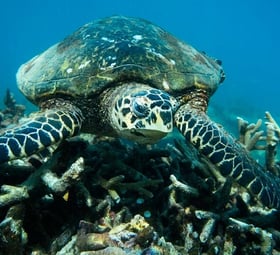
Two species are monitored here: the critically endangered hawksbill turtle (Eretmochelys imbricata) and the endangered green turtle (Chelonia mydas).
The programme runs year-round, but the work changes with the season
Nesting season, November to April. Turtles come ashore to lay. The focus is on preventing the poaching of nesting mothers and their nests, collecting data on the turtles and their eggs, and moving nests laid in places where they have no chance of hatching successfully.
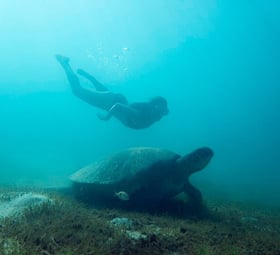
Off-season, May to October. The focus shifts to establishing where turtles are active, estimating population size and re-establishing nesting beaches. When the tides allow, you will also carry out seagrass surveys, turtle watches and beach cleans.
Whichever season you come in, you will be out looking for signs of turtle activity most days and a good many nights.
Why it matters scientifically
You are helping build a research database for an area that has barely been studied. That is unusual for a volunteer programme and worth understanding properly: the records you help create become the baseline against which future population change gets measured, and they feed into work with local communities and national authorities on protecting these beaches.
What is asked of you
Patience, mostly. Turtle work involves long periods of watching and walking, often in the dark, and there will be days when you find nothing. That is the job. When it does happen – a female hauling up the beach to lay, or a nest excavation – it is worth every empty night that came before it.
Training is given on arrival and you work under professional staff throughout. No scientific background is required.