Login

Select travel dates to see prices

Outstanding 4.96rating (10)

African Predator Research and Conservation

location
2 - 12 weeks  ·  Age 18 - 50+
Verified

Highlights

  • Experience real wildlife research in northern Limpopo, working alongside experienced researchers to monitor lions, leopards, hyenas and other African wildlife.
  • Gain practical conservation skills through wildlife tracking, spoor identification, camera trapping, GPS mapping, field surveys, behavioural studies and data collection.
  • Make a real contribution to vital conservation projects. Our small organisation provides monitoring and data for free, so your contribution ensures we can continue protecting large predators.

Highlights

  • Experience real wildlife research in northern Limpopo, working alongside experienced researchers to monitor lions, leopards, hyenas and other African wildlife.
  • Gain practical conservation skills through wildlife tracking, spoor identification, camera trapping, GPS mapping, field surveys, behavioural studies and data collection.
  • Make a real contribution to vital conservation projects. Our small organisation provides monitoring and data for free, so your contribution ensures we can continue protecting large predators.
  • Work in small, friendly groups with just 4–5 volunteers per trip, giving you personal support, meaningful field experience and plenty of time to learn.
  • Become part of the Engage Conservation family and experience the African bush while helping protect wildlife and develop practical conservation solutions.

  • You don't have to pay anything yet

    Especially good for

    Age 18+
    Singles
    Couples

    About the program

    Join real wildlife research in South Africa. Track predators, monitor wildlife, collect field data and help protect species while tackling human-wildlife conflict.

    Engage Conservation Africa offers a genuinely hands-on wildlife research and conservation experience in the northern Limpopo region of South Africa.


    This is not simply a wildlife viewing experience. Our volunteers become part of a small field team contributing to real, ongoing conservation research ...

    About the program

    Engage Conservation Africa offers a genuinely hands-on wildlife research and conservation experience in the northern Limpopo region of South Africa.


    This is not simply a wildlife viewing experience. Our volunteers become part of a small field team contributing to real, ongoing conservation research designed to improve our understanding and protection of wildlife.


    Working alongside experienced wildlife researchers, volunteers may work with lions, leopards, spotted and brown hyenas, elephants and a wide range of other African species. Our work takes place across a challenging landscape where wildlife moves between farms, private reserves, and local communities.


    Learn real conservation skills


    No previous wildlife research experience is required. We provide practical guidance and training throughout your stay, making the programme suitable for people who simply love wildlife as well as students and graduates interested in conservation, ecology, zoology, environmental science, veterinary science and related fields.


    You will develop practical skills in wildlife identification, tracking, field research, camera trapping, data collection, GPS use and conservation monitoring.


    For students and aspiring conservation professionals, the experience provides valuable exposure to the realities of field conservation and the opportunity to contribute to projects that extend beyond the duration of their stay. Depending on the projects running during your visit, your activities may include:


    • Wildlife tracking and spoor identification

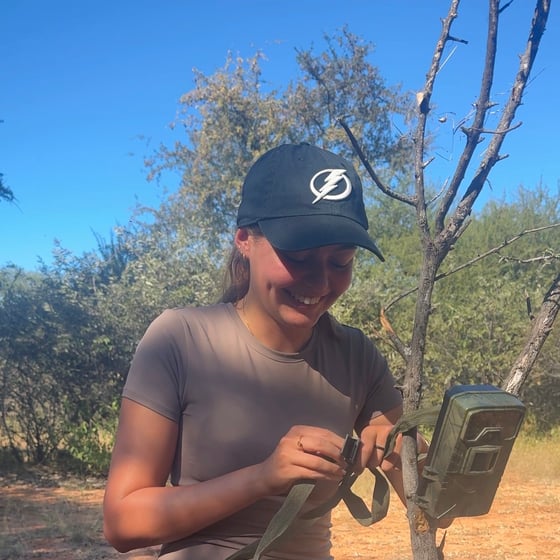
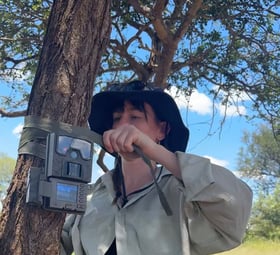
    • Camera-trap deployment, checking and data collection

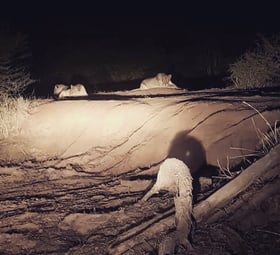
    • Predator monitoring and identification

    • Wildlife and habitat surveys

    • Transect work and recording field signs

    • Behavioural observations

    • GPS navigation and mapping

    • Recording wildlife movements and sightings

    • Searching for evidence of illegal activity

    • Supporting anti-poaching activities

    • Collecting and managing ecological data

    • Assisting with research projects and conservation monitoring


    A major focus of our work is understanding how predators and other wildlife use an increasingly fragmented landscape. By combining camera-trap information, GPS data, sightings, spoor and field observations, we are building a better picture of wildlife movements and identifying areas that may be important for connectivity and conservation.


    We are also investigating the pressures facing wildlife, including human-wildlife conflict, habitat fragmentation, and the challenges created when animals move between different land uses.


    Every volunteer contributes to this process. A single camera-trap photograph, GPS location, spoor record or behavioural observation may seem small, but when thousands of observations are combined they help us understand the bigger picture and make better conservation decisions.


    Small groups, meaningful involvement


    We deliberately keep our groups small, usually with around 4–5 volunteers per trip. This allows us to provide a much more personal experience and means volunteers are actively involved rather than simply being observers.


    Our projects can be physically demanding and conditions in the African bush can be challenging. Some days may involve long hours in the field, walking transects, tracking animals or working in hot conditions. Other days may involve analysing data, checking equipment or planning the next field survey.


    The unpredictability is part of what makes field conservation so rewarding. One day you may be following the tracks of a lion; the next you could be checking a camera trap and discovering evidence of a leopard, hyena or elephant using the area.


    Conservation with a bigger purpose


    Our long-term goal is to help create a landscape where wildlife can move safely and where people and wildlife can coexist more successfully.


    The information collected through our projects is helping us understand wildlife distribution, movement and behaviour while identifying potential threats and areas requiring further conservation attention.


    We are also working towards expanding our community engagement, wildlife corridor mapping, conservation education and local employment opportunities. By combining research, practical conservation and community involvement, we hope to develop solutions that benefit both wildlife and the people who share this landscape.


    When you join Engage Conservation Africa, you are not simply coming to South Africa to see wildlife.


    You are helping us understand it, protect it and find practical ways for people and wildlife to share the landscape.


    Typical day

    No two days at Engage Conservation are exactly the same. Fieldwork is influenced by wildlife activity, weather, research priorities, and the projects underway during your stay, so volunteers should expect a varied and genuinely hands-on conservation experience. You won’t simply be watching ...

    Typical day

    No two days at Engage Conservation are exactly the same. Fieldwork is influenced by wildlife activity, weather, research priorities, and the projects underway during your stay, so volunteers should expect a varied and genuinely hands-on conservation experience. You won’t simply be watching wildlife from the sidelines: you will learn how conservation research is carried out in the field, and contribute observations and data that become part of our ongoing projects, meaning time spent working will be shaped by the current project requirements.


    Most days will begin between 5 am and 6 am, and finish between 4 pm and 5 pm, with a couple of hours rest at lunchtime. Volunteers can usually expect to take a break on Sundays, but since Engage works on active research projects, timings and days off may change depending on the situations that arise!


    A typical field day begins early, when temperatures are cooler and wildlife is often most active. After breakfast, the team will discuss the day’s objectives and prepare equipment before heading into the field.


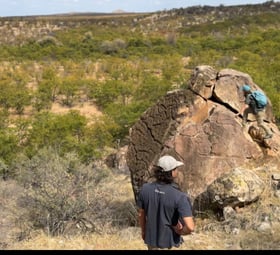
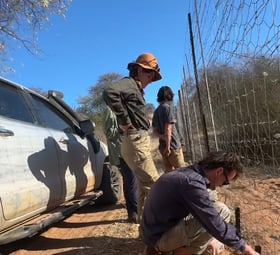
    Depending on the current research programme, the morning may involve tracking wildlife and identifying spoor, walking research transects, checking camera traps, recording wildlife sightings, mapping locations using GPS or monitoring areas of predator activity. Volunteers are taught how to recognise and record tracks, scat, feeding signs and other evidence that can help us understand which species are using an area.


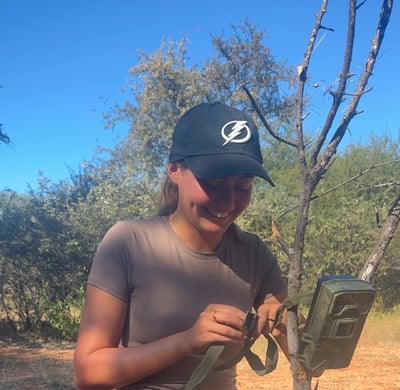
    Camera-trap work is an important part of our research. Volunteers may help locate, deploy, check and maintain cameras before recording their locations and downloading or reviewing the data collected. Camera-trap images can provide valuable information about species presence, behaviour, population movements and activity patterns.


    Other days may focus on predator monitoring, habitat surveys, behavioural observations, wildlife mapping or anti-poaching activities. Volunteers may also assist with identifying individual animals, recording spoor and other field signs, or collecting information that contributes to our understanding of human-wildlife conflict.


    Fieldwork can involve walking through bush, working from the research vehicle or a combination of both. Conditions can be hot and physically demanding, and patience is an important part of wildlife research. You may spend several hours searching for tracks or waiting for wildlife activity, but this is also what makes genuine field conservation so rewarding.


    After returning from the field, there is usually time for lunch and a break during the hottest part of the day. Depending on the day’s programme, the afternoon may involve further fieldwork, checking equipment, entering data, reviewing camera-trap photographs, mapping sightings or discussing the results of the day’s research.


    Late afternoon and early evening can provide another opportunity for fieldwork when temperatures begin to fall and many species become more active. These sessions may produce some of the most memorable wildlife encounters of the programme.


    Evenings are generally spent back at camp, sharing experiences with the team, discussing wildlife sightings and reviewing the day’s work. 


    The daily schedule will vary, but the aim is always the same: to combine an unforgettable African wildlife experience with meaningful conservation work.


    Free-time activities

    When you are not out in the field, there are plenty of opportunities to relax, explore and enjoy the incredible surroundings of northern Limpopo.


    Life at Engage Conservation is all about experiencing the African bush, and volunteers are encouraged to make the most of their free time. You can relax at ...

    Free-time activities

    When you are not out in the field, there are plenty of opportunities to relax, explore and enjoy the incredible surroundings of northern Limpopo.


    Life at Engage Conservation is all about experiencing the African bush, and volunteers are encouraged to make the most of their free time. You can relax at camp, enjoy the peaceful surroundings, read a book, socialise with fellow volunteers or simply take some time to appreciate being in the bush.


    For those who enjoy staying active, there are opportunities to go on walks and hikes through the bush, explore the surrounding area and enjoy the landscape away from the research vehicle. These activities provide another opportunity to experience the environment and look for wildlife, birds and other signs of life.


    Volunteers can also make use of the local sports facilities in Alldays, including a gym, swimming pool and squash courts. This is a great option for keeping up with your fitness routine or simply enjoying some time away from fieldwork.


    Swimming is also a great way to cool down after a hot day in the field, particularly during the warmer months.


    For those who want to explore further, we can arrange opportunities to visit some of the incredible national parks and wildlife areas in the surrounding region. These excursions provide the chance to experience South Africa’s wildlife from a different perspective and explore some of the spectacular landscapes that make Limpopo such a special part of the country.


    Depending on the length of your stay and the current programme, volunteers may also have opportunities to visit nearby towns, experience local culture and enjoy additional activities in the surrounding area.


    One of the greatest benefits of staying with Engage Conservation is simply having the opportunity to slow down and enjoy the bush. Sitting outside in the evening, watching the sunset, listening to the sounds of wildlife or looking up at an incredible African night sky can be just as memorable as a wildlife sighting.


    Free time is yours to enjoy, whether you want to stay active, explore the area, socialise with other volunteers or simply relax and take in the surroundings.


    Your time at Engage isn’t just about the work — it’s about experiencing the African bush, making new friends and creating memories that will stay with you long after you leave.


    Requirements

    Requirements

    Minimum Age: 18 years

    In order to join the program you need to be at least 18 years old on the program start date. There might be exemptions if you can provide the permission of your legal guardian(s) or if your are accompanied by your parents.

    Nationality Restrictions

    No restrictions. Helping hands from all over the world are welcome.

    Time Commitment

    Your helping hand will be required on Monday, Tuesday, Wednesday, Thursday, Friday and Saturday from 05:00 - 17:00

    What's Included

    What's Included

    On-site Services

    Our programme fee covers the core costs of your Engage Conservation experience and helps us continue running practical wildlife research and conservation projects in northern Limpopo. Please note that our fees do not cover food and drink. You will have access to a fully equipped kitchen, and we will make weekly supply runs to the local town to purchase provisions.


    Included in your programme fee


    • Accommodation at the Engage Conservation project.
    • Airport transfers from Polokwane International Airport, based around our Monday arrival and departure schedule.
    • Transport during the programme, including travel to research sites and field locations.
    • Experienced field supervision and training throughout your stay.
    • Hands-on conservation and research activities, including wildlife tracking, camera trapping, transect surveys, predator monitoring, behavioural observations, GPS mapping and data collection.
    • Use of research equipment, including camera traps, GPS equipment and other field equipment required for your activities.
    • Wildlife monitoring and anti-poaching activities, where appropriate to current projects.
    • Project support and orientation, including preparation before arrival and an introduction to the project, field environment and safety procedures.


    How your fees support conservation


    Engage Conservation is a small, independent conservation organisation. Your programme fee doesn’t just cover your accommodation and experience — it helps us keep our conservation projects running.


    Running field research in a remote African environment involves significant costs, including vehicle fuel and maintenance, research equipment, camera traps, field equipment, data management and the ongoing development of conservation projects.


    Your contribution helps us maintain our research operations and continue collecting valuable information about wildlife populations, movements, behaviour and threats.


    This means that your time with us can have an impact beyond your own experience. The data you help collect becomes part of our ongoing research and contributes to our wider goal of protecting wildlife and finding practical solutions to human-wildlife conflict.


    Additional costs


    Volunteers are responsible for their own international flights, travel insurance, visas or entry requirements where applicable, personal spending money and activities or excursions outside the programme.


    We recommend discussing any additional travel or excursions with us before booking so we can help you plan your stay.


    By joining Engage Conservation, you’re not simply paying for a wildlife experience — you’re helping us continue real conservation research in the field.

    Airport Pickup at Polokwane Airport

    Getting to Engage Conservation is straightforward once you reach Polokwane. We recommend flying into O.R. Tambo International Airport (JNB) in Johannesburg, then taking a short connecting flight to Polokwane International Airport (PTG).

    Airlink operates regular direct flights on this route (approximately 55 minutes). Typical schedules include an early morning departure around 06:10 arriving 07:05 (weekdays), a mid-morning flight around 09:35 arriving 10:30 (daily), and later options in the afternoon. Exact times can vary by day and season, so always check the latest Airlink timetable when booking. These morning flights align well with our preferred arrival window.

    We prefer all pick-ups and drop-offs on a Monday. Our standard pick-up time in Polokwane is before 11:00 on the scheduled Monday start day. Please arrange your arrival in Polokwane so you can meet us by 11:00. If your flight lands earlier (for example the 07:05 or 10:30 arrival), you will have time to collect luggage and transfer to the meeting point. We will confirm the exact meeting location with you closer to the date (usually a convenient central point or the airport area).

    If you miss the scheduled Monday 11:00 pick-up, you will need to arrange and pay for your own transport from Polokwane to the reserve (approximately 3.5 hours).

    On departure day (also preferably a Monday), return transport leaves the reserve at 07:00 for Polokwane, giving you time to connect with morning or midday flights back to Johannesburg. Please ensure your onward international flight from O.R. Tambo allows sufficient buffer for the domestic leg, check-in, and any possible delays.

    Important: Flight tickets are not included in your programme fee. You must provide your full travel itinerary (including flight numbers and times) at least four weeks before arrival so we can coordinate pick-up. More support is available on request.

    The transfer from Polokwane to our lodges takes about 3.5 hours through the northern Limpopo landscape. Once you arrive at camp you will be shown around the facilities, given a welcome and safety briefing, and enjoy an evening meal and drinks on your first night.

    By planning your flights to arrive in Polokwane on a Monday morning (ideally via the 06:10 or 09:35 Airlink services from O.R. Tambo) you ensure a smooth, stress-free start to your conservation experience with us. We look forward to welcoming you.

    Accommodation

    All our rooms are equipped with twin beds and an en suite bathroom. Our communal areas vary depending on which site you're staying at that night. You may have a kitchenette in your room or share a large communal living/dining area and kitchen, but all of our sites will have an outdoor braai (barbecue) area for a traditional South African cooking and socialising experience!

    Internet Access

    Good access at the project site
    You don't have to pay anything yet

    What's NOT included?

    What's NOT included?

    Food & Beverages

    Food, snacks or beverages are at extra costs.

    Flight Tickets

    The nearest airport is Polokwane Airport (PTG) in Polokwane. We assist you to find cheap flights to South Africa. FIND CHEAP FLIGHTS

    Travel Insurance

    Going abroad is an adventure and it is always best to be prepared. Sudden illness or injury, cancellation or theft - a travel insurance for South Africa provides security and is a plus to have. GET A QUOTE

    Vaccines

    If you are intending to volunteer in South Africa you should seek medical advice before starting your social journey. Check your required vaccinations for South Africa. VACCINE CHECKER

    Details on arrival

    Engage Conservation Africa welcomes volunteers throughout the year, subject to availability and the scheduling of our research projects. However, we do not operate throughout December.


    Arrival day: Monday


    We ask volunteers to arrange their travel so that they arrive at Polokwane International Airport (PTG) on a Monday morning, before 11:00 am. Our team will collect you directly from the airport and transport you to the project location.


    When booking your flight, please allow enough time to clear immigration, collect your luggage and reach the airport collection point before 11:00 am.


    Departure day: Monday


    We ask volunteers to arrange their return journey for a Monday. Volunteers should aim to be at Polokwane International Airport in time to catch the 10:45 am departure flight.


    Because the project is located in a remote area, Monday transfers are organised around these flight times. If you are unable to meet the recommended arrival or departure times, please contact us before booking your flights so we can discuss whether alternative arrangements are possible.


    Once you arrive, you will be welcomed by the Engage Conservation team and introduced to the project, your fellow volunteers and the field environment. You will receive an orientation covering the programme, daily routines, equipment and essential wildlife and bush safety procedures before beginning your conservation activities.


    The specific research activities available during your stay may vary depending on wildlife activity, seasonal conditions and our current research priorities. This means that every group contributes to the projects that are most relevant at the time of their visit.


    Important: Please confirm your programme dates with us before booking flights. We recommend booking your arrival and departure flights around the Monday collection and return schedule to ensure a smooth transfer to and from the project.

    Availability
    Jan Feb Mar Apr May Jun Jul Aug Sep Oct Nov Dec

    Program Fees

    $682 per week 2 - 12 weeks Age 18 - 50+

    Payment methods

    Visa Master Card Maestro American Express PayPal

    NO CREDIT CARD FEES


    Duration

    2 - 12 weeks

    Deposit

    Reserve your spot with just a few clicks and a small, secure deposit. You can pay by credit card, PayPal, or other convenient methods.


    Final Payment

    You’ll agree on the final payment method with your local organization during the application process. This final payment is only due closer to the start of your trip.

    You don't have to pay anything yet

    4.96
    10 reviews

    Location


    Meet your project coordinator

    Sara
    10
    reviews
    4.96
    Outstanding
    2022
    Founded

    Verified

    Spoken languages: English
    Travel safely by using Volunteer World for your communication and bookings. This way, you can benefit from the Flex Option, Refund Guarantee, and Resolution Support.

    You might also be interested in

    Contact Sara
    English

    Most volunteers ask about


    Do you have any more questions? Send a message to Sara
    Please don't share personal contact details for your privacy

    Travel dates

    1. - 1. Jan 1

    Book with Flex Option!

    Choose new departure dates or change to a different volunteer program at no extra costs within 12 months.

    Complete Support for Every Volunteer

    This helps us run our platform and offer essential services like Comprehensive Support, Refund Guarantee, Flex Option without rebooking costs, and Price-Guarantee. This includes VAT.

    Price details