We are
Indonesia Reef Warrior (IRW), a environmental NGO based in northern Bali. We
are dedicated to restoring damaged coral reefs, protecting the marine
ecosystem, and actively cleaning the oceans to keep them healthy and
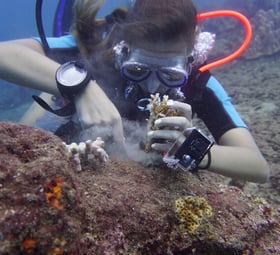
debris-free. 4 times a week, the team conducts dives to monitor both
natural and artificial reefs, repair corals, plant seagrass, and remove marine
debris. The organization is led by marine biologist, who is well known for his
successful coral restoration using his natural glue invention, as well as for
his strong commitment to research and environmental education in Balinese
schools.
We started
as a small group of community-based who were witnessing the vast degradation of
the coral reef ecosystem around us and decided to take action. Today the small
group grew to a bigger and more attractive team of marine scientists and
biologists, engineers, creators, and divers determined to save the reef by
restoration, conservation, and generating collaborative action around the world
and we are Indonesia Reef Warrior.
Our mission
is to regrow and replant colonies of coral and take back ocean sustainability
for the future, protecting ecological stability and balance, protecting the
livelihoods and knowledge of indigenous people. Our goal is to plant more than
one million corals during 2030, reach, empower and educate 1000 people through
awareness programs, develop tools and methods to facilitate coral reef
monitoring. This is just the beginning of the conservation movement of our
coral reef ecosystem. We consider our team members to be the key to our
successful program. We invite from all around the world in order to find
scientists, divers, coral reef warriors, naturalists, and marine enthusiasts
with the same grit and determination to restore and rehab the coral reef with
coral gardening way and ocean conservation.
Our conservation program is 70 % underwater-based, diving to our coral reef 8 times a week from Monday till Thursday in different dive site projects, and 30 % theory community-based, educating the next generation and helping to spread the word in local schools on Friday, we take marine conservation education into our partner schools. If volunteers want to be certified divers, we offer PADI Dive Courses with additional cost. We have
built a coral nursery not too far from the shore of Lovina. The nursery made
from steel and concrete material protects the coral as it grows. Underwater
nature structure enables us to collect damaged and broken coral and
transplant it to the protected nursery. We regularly monitor and track the
growth and progress of the baby coral. Rehabilitation of reef ecosystems may
progress through the implementation of both preventive as well as active
restoration measures. A two-step restoration strategy termed “gardening of
denuded coral reefs,” whose central concept is the mariculture of coral
recruits in nurseries. In the second step nursery-grown, coral colonies are
transplanted to degraded reef sites.
The marine
biologist offers international volunteers and students to work with his
environmental NGO Indonesia Reef Warrior (IRW) in the Indonesia Coral Reef
Garden (ICRG) program. IRW is based in the north of Bali and covers 12 coral
sites along the north coast of Bali. Fendi is well known for his
successful coral restoration using his natural glue invention, as well as for
his strong commitment to research and environmental education in Balinese
schools
Volunteers will be diving 8 times and help us in our Project Site, Menjangan Island National Park, Lovina Coral Reef Garden, Kalanganyar Global Village Reef, Pemuteran Biorock, Bondalem Eco Reef, Tejakula Conservation Reef, USA Liberty Shipwreck Tulamben and if you want have a new experience study how marine life on the night we also doing the NIGHT DIVE. Your help
is needed on the following days: Monday, Tuesday, Wednesday, Thursday, and
Friday from 9:00 a.m. to 4:00 p.m
Reef & Artificial Reef Research and Monitoring
Volunteers and our marine team diving collect time-series data recording coral recruitment, survival rate, and growth rate of our coral garden. We are doing assessments also of existing coral reef habitats, diversity, and abundance of fish, invertebrates, and reef-building organisms through reef surveys at various sites along the coast of Lovina with the Underwater Photo Transect (UPT) method. The goal is to promote coral production and the continuity of native coral species. Small animals particularly zooxanthellae on coral reefs play an important role in the aquatic ecosystem. Conservation of these animals, therefore, aids in pollination. Establishing artificial reefs in key areas is proven to be an effective way to enhance coral reef stability and sustain the abundance of reef species.
How do we find them?
Volunteer with our team diving to survey the entire reef and mark every colony. We studied the reef so we would know which coral survives and is healthy. we select those ones to grow in our nurseries.
How do we fragment?
With cutting pliers we fragment the colony of mother coral. the role play is each time no more than 5% of the colony is collected to ensure the colony survives and sustains the ecosystem. We take the fragment/donor of baby coral to our nursery ground under controlled environmental parameters.
How do we care?
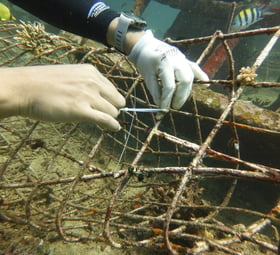
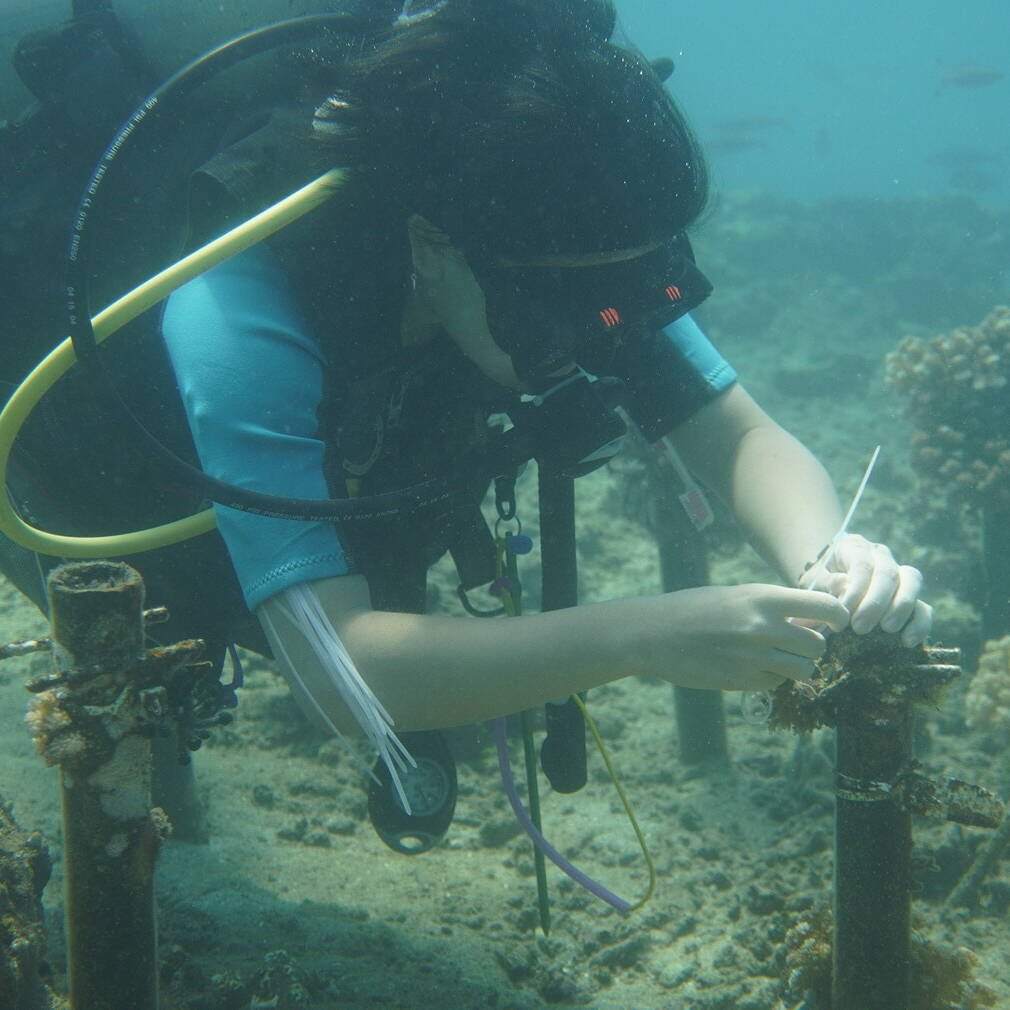
The fragment transplant on the structure, whereas we have 3 models for our structure including the MARS system, FishDome, concrete structure, and metal stick. We continue monitoring the baby coral effectively. Cleaning the coral with the brushes, fixing the structure position, fixing the cable tie, or anything else that is needed.
How do we plant?
Once the coral survives and is healthy we carefully trim them with a pair of pliers. So we are able to cut 2 or 5 fragments of our colony. Then we place the coral in degraded places with pH-neutral cement
You will be contributing to taking broken coral fragments and giving them a second chance to survive at our nursery. Some frames will remain in our nursery permanently as fish are using them as homes for their juveniles. The reef gardeners team has recently constructed structures we have different models of structure and material including the MARS system with metal material, fish dome, concrete block, and metal stick with transplanted hard and soft corals attached to them.