

































































 Sea Turtle Conservation
 Activities
 Animal
 Waste Reduction
 Americas
 Central America
 Leatherback Turtle
 Green Sea Turtle
 Plastic Reduction
 Costa Rica
 Olive Ridley Turtle
 Ocean Cleaning
 Hawksbill Turtle
 Shark Conservation
 Scouts
 Hotspots
 Loggerhead Turtle
 Vegan
Vegan
 Asia
Asia
 Diving
 Beach Cleaning
 Southern Asia
 Coral Reef
 Sri Lanka
 Diving certificate
 Whale Shark
 Southern Europe
 Europe
 PADI Divemaster
 Belize
 Greece
 Ray Conservation
 Kefalonia
 Volleyball
 Africa
 Dolphin Conservation
 Surfing
 Whale Conservation
 Limon
Limon
 Families with small kids
 Eastern Africa
 Western Africa
 Ghana
Ghana
 GVI Alternatives
 Bottlenose Dolphin
 Southern Africa
 South Africa
 Snorkeling
 South East Asia
 Madagascar
 Nosy Komba
 Great White Shark
 Indonesia
 Bali
Bali
 Mako Shark
 Shark Tagging
 Natural Horsemanship
 Sting Ray
 Ragged Tooth Shark
 Thresher Shark
 Hammerhead Shark
 Sloth Sanctuary
 Humpback Whale
 Oceania
 South America
 Australia
 Australia and New Zealand
 Manta Ray
 Mozambique
 Yoga
Yoga
 Leopard Shark
 Common Dolphin
 Ecuador
 National Park
 Great Barrier Reef
 Cairns
 Queensland
 African Penguin
 Premium
 Galapagos
 Port Elizabeth
 Italy
Italy
 Thailand
 Pilot Whales
 Sperm Whale
 Blacktip Reef Shark
 Mexico
 Orca
Orca
 Lanzarote
 Spain
Spain
 Mangrove
 Southern Right Whale
 Whitetip Reef Shark
 Maldives
 Grey Reef Shark
 Reforestation
 Brazil
 Melanesia
 Fiji
Fiji
 Oaxaca
 Amazon Rainforest
 Crete
Crete
 Crocodile
 Reptile Conservation
 Portugal
 Azores
 Montenegro
 Zanzibar
 Tanzania
 Albania
 Animal Shelter
 Intern Abroad
 Cats
Cats
 Veterinary Training
 Malaysia
 Gili Islands
 Butterfly Conservation
 Insect Conservation
 San Jose
 Guatemala
 Plettenberg Bay
 Cape Verde
 Dog
Dog
 Lombok
 Puerto Escondido
 Language Course
 Bird Conservation
 Spanish Courses
 Macaw
Macaw
 Pelagic Shark
 Panama
 Rio de Janeiro
 French Polynesia
 Croatia
 Polynesia




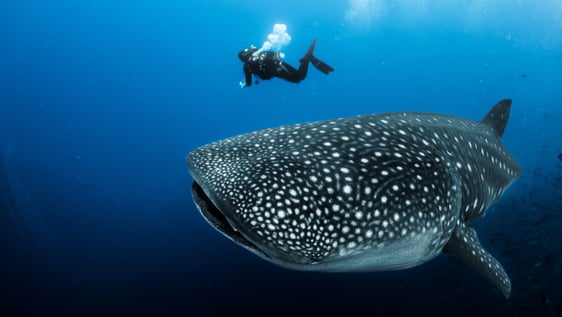








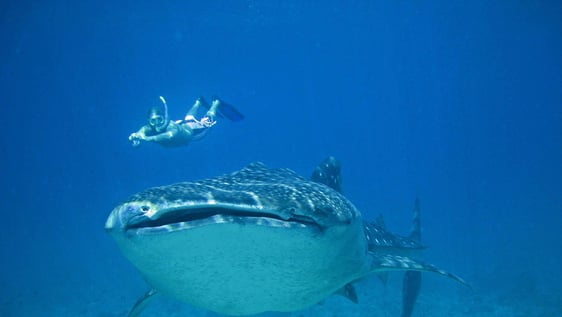







Probably the most notorious fish, right after Nemo, the shark is a complex and fascinating creature that is equally feared and awe-inspiring at the same time. It has been roaming our oceans for over 400 million years now. And did you know that some shark species are really adaptable? They can live in salt water as well as fresh water .
To conserve these interesting animals it's important to learn about their world, know their features and recognize their importance in the marine ecosystem. First of all, it's necessary to understand that according to the IUCN Red List of Threatened Species , one-quarter of all sharks are threatened with extinction. Most of these threads are man-made such as:
- pollution
- overfishing of their prey
- trophy hunting
- unintentional bycatch
- fishing for their meat and fins
What many don't know, is that the finning industry is especially cruel. Once a shark is caught, the fins are cut off while it is still alive and then it will be thrown back into the ocean. As it is unable to swim, it will slowly sink to the ground where it is eaten alive by other fish.
As a volunteer in shark conservation, there are many different destinations you can visit worldwide such as South Africa and Costa Rica. These destinations will not only let you experience sharks within close proximity but are also amongst the most biodiverse countries in the world. When it comes to your volunteer tasks you need to keep in mind that conservation work is not a walk in the park! Among your conservation work can be tasks like:
- Shark Cage Diving - you will be properly instructed on how to enter and exit the cages, as well as how to behave. Even though sharks are rather shy animals, it is vital to not provoke the animals and cause danger to yourself and others.
- Photography and Video - you will learn how to take pictures and videos above and below water to collect valuable data about shark populations.
- Quality of the Oceans - you will observe and clean coral reefs and the beaches in order to maintain the ocean's health, which is vital for all living organisms.